I got called in by a manufacturer's new Director of MIS.
He was trying to get them off a homegrown system that was an absolute nightmare. It was full of spaghetti code, and it had its own intrinsic problems.
He knew the way I worked: getting the larger picture, and using technology as a competitive advantage.
He told me we'd be talking about improving the business through an MRP II software selection, and the benefits it could bring.
What he didn't tell me was how he'd framed it to his own people: a selection meeting, to see whether I could help them pick the software.
I think he was hoping we'd find some middle ground.
Had I known that up front, I wouldn't have gone in.
My first meeting was with the CEO. His biggest concern was a unit of measure precise enough for their stainless steel stampings. Thousands of components out of a single sheet of steel, and how to account for them.
Then I went into a meeting with the senior staff.
We were discussing things they couldn't do yet, such as effectivity and option bills of material for configured orders. A lot of their machines were built in custom configurations, not just off the shelf.
The VP of Engineering said, "We've been in business for over a century, and we're not that creative. We don't need those things."
He was being sarcastic. My response wasn't.
I said, "Not that creative, really?"
"You've been in business for over a century, and the world around you has been changing, and you've managed to maintain the status quo for all that time. You might be the most creative company I've ever encountered."
For about an hour, every time I tried to talk about practical benefits, they brought it back down to technical specification.
I was less skilled at the time, but just as gutsy.
I stopped the meeting and told them they didn't want to hire me.
Their best solution was to hire a set of programmers to maintain what they had, because no formal system developed outside their building was ever going to solve the problems the way they solved them.
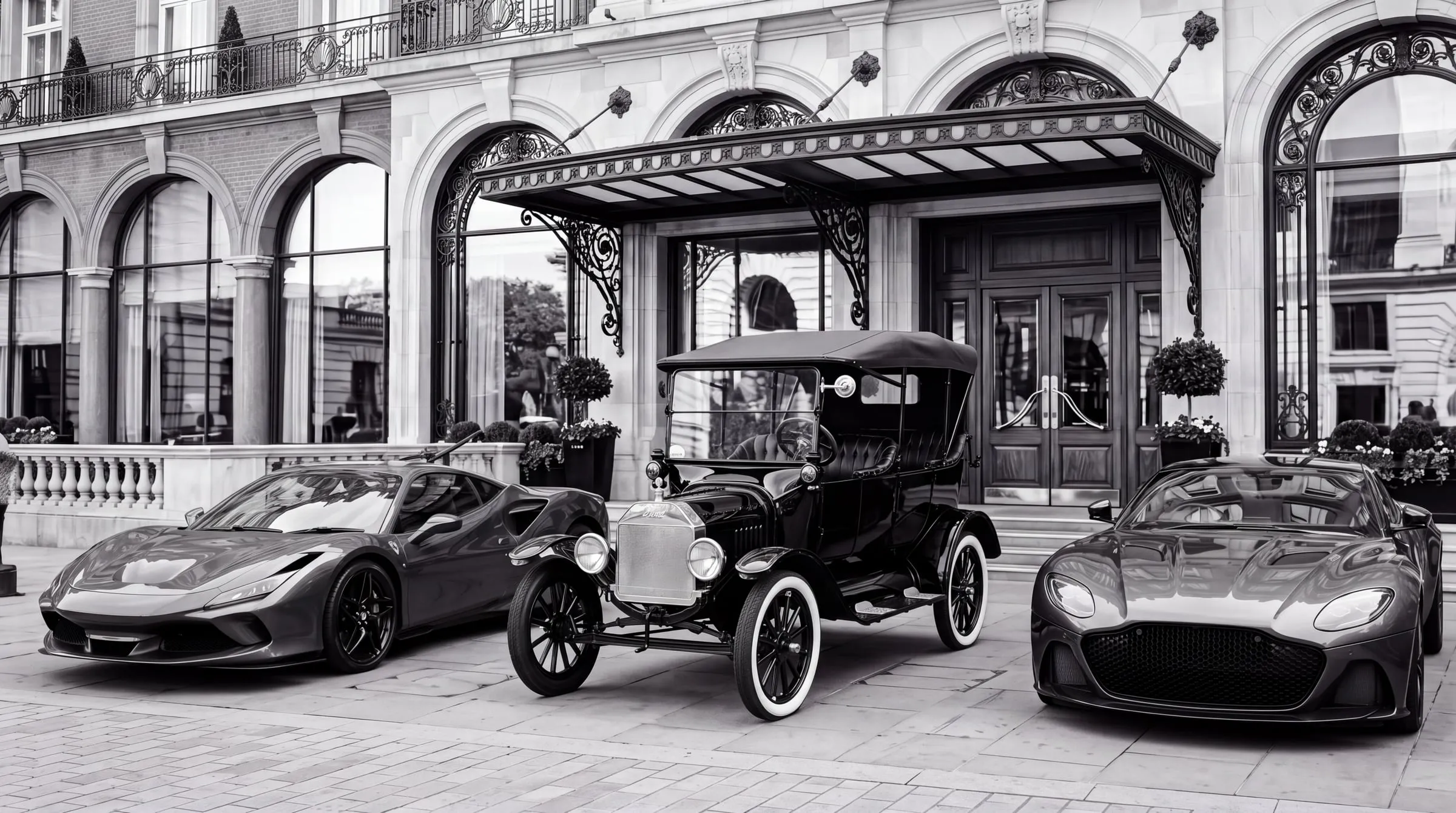
They turned a century of difference into sameness.
Some things they were forced into, like electricity and digital. But in how they ran the business, they never saw the change.
Their creativity was focused inward, on keeping their business processes exactly as they were.
Director of MIS is an old title. The conversation isn't.
Dominic Luzi · Chief Answer Grape, Management Alchemy